Vietnam Association of Diabetes and Endocrinology – VADE Vietnam Association of Diabetes and Endocrinology – VADE
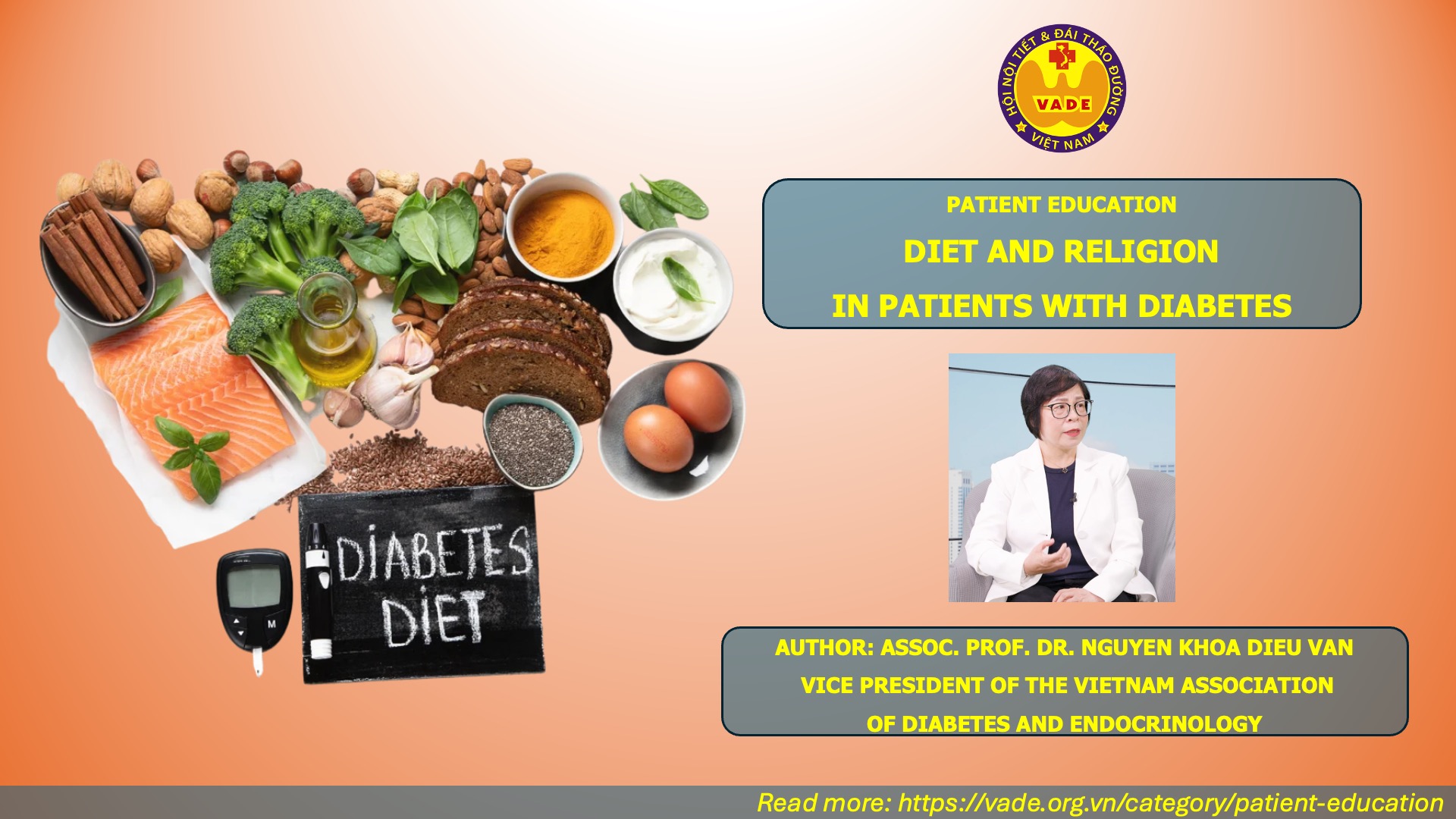
Assoc. Prof. Dr. Nguyen Khoa Dieu Van
In life, everyone has their own faith and religion, and patients with diabetes (DM) are no exception. Eating is not just about nutrition but is also tied to religious beliefs, family traditions, and spiritual life. Patients with DM can fully practice their faith, but they need to clearly understand how to adjust their diet, medications, and blood glucose control to minimize acute and chronic complications.
So what should patients with DM need to know about their diet to maintain both their faith and stable blood sugar levels?
1. Special considerations when using dietary restrictions
For people with diabetes, changing meal times, prolonged fasting, overeating after fasting, or sudden changes in food types can cause:
-
- Hypoglycemia, hyperglycemia
- Dehydration, hypotension
- Fatigue, dizziness, or more severely, hospitalization
Therefore, when participating in forms of vegetarianism, abstinence, or religious fasting, patients need to have a plan in advance and seek advice from a specialist before implementing a special diet.
2. Common forms of religious diets
2.1 Vegetarianism
Common in Buddhism, certain Hindu traditions, or individuals following specific beliefs.
Note: Many people think a vegetarian diet is always good for diabetes, but that is not necessarily true. If you eat too much:
-
- Starches such as: White rice, vermicelli, noodles, sweet potatoes
- Vegetarian pastries, soft drinks
- Fried and stir-fried foods
- Sweet fruits or fresh/canned fruit juices
- Or strictly limiting animal-sourced foods (meat, fish)
With such a vegetarian diet, DM patients still cannot control their blood sugar, while lacking essential nutrients found in meat and fish and micronutrients needed for patients.
Recommended choices:
-
- Brown rice, whole grains, tofu, soy, beans
- Green vegetables, low-sugar fruits
- Vegetable oil in moderate amounts
- Specialized food supplements for DM patients, such as milk or biscuits, should be added
- Use additional essential vitamins and minerals as advised by a specialist
2.2 Intermittent or daily fasting
For example, during Ramadan or other fasting periods. Patients can still participate in many cases, but safety assessment is required.
High risk if:
-
- Using insulin and insulin secretagogues such as sulfonylureas
- Frequently experiencing hypoglycemia or poorly controlled blood sugar
- Having impaired renal function (chronic kidney disease), cardiovascular disease (atherosclerotic cardiovascular disease: coronary artery, cerebrovascular)
- Elderly with multiple comorbidities
- Pregnant women
It is necessary to consult a specialist before starting a fasting regimen to have a plan for medication schedule adjustments, prescription changes, and handling methods during the diet.
3. Safety principles for religious fasting
Do not skip meals for too long: If you must fast, you need to know how long is appropriate for your health condition.
Do not overcompensate: After fasting, many people eat too many starches and sweets, causing blood sugar to spike.
Prioritize slow-absorbing foods
-
- Vegetables, beans
- Lean protein, healthy fats
- Whole grains
Stay hydrated: If rituals allow, drink enough water outside fasting hours.
Monitor blood glucose: Check blood sugar more frequently during dietary changes. Monitor via capillary blood glucose 3-4 times a day or ideally use continuous glucose monitoring (CGM) for timely dietary adjustments and early detection of hypoglycemia and unaware hypoglycemia.
4. Diabetes medication regimen
It may be necessary to adjust medication timing or dosage, especially if using:
-
- Insulin, Sulfonylurea
- Medications prone to causing hypoglycemia
Do not arbitrarily stop or reduce the dose. Consult your treating physician.
5. When to stop fasting or change the plan?
Stop immediately and take action if symptoms of hypoglycemia occur, or when blood sugar is < 3.9 mmol/l, or when hyperglycemia is too high:
-
- Trembling hands, sweating, intense hunger
- Dizziness, exhaustion, rapid heartbeat
- Blood sugar too low or too high
Health is always a priority. Many religions also allow exemptions or flexibility for those with medical conditions.
6. Simple menu suggestions
Pre-fasting meal
-
- Oats + unsweetened milk, boiled egg
- Green vegetables, 1 small apple
Post-fasting meal
-
- Drink water
- Vegetable salad, fish or tofu
- A moderate amount of brown rice
7. Message for patients
You don’t have to choose between faith and health. With the right plan, good monitoring, and discussion with your doctor, you can live in harmony with both.
The most important thing: individualize the diet according to beliefs, current medications, and the health status of each individual.
References
- Malaysian Journal of Public Health Medicine 2024, Vol. 24 (3): 186-191.
- American Diabetes Association Professional Practice Committee; 5. Facilitating Positive Health Behaviors and Well-being to Improve Health Outcomes: Standards of Care in Diabetes—2024. Diabetes Care 1 January 2024; 47 (Supplement_1): S77–S110.
- International Diabetes Federation-Diabetes and Ramadan Alliance (IDF-DAR) FastingRiskAssessment. Mdcalc, 2024.